
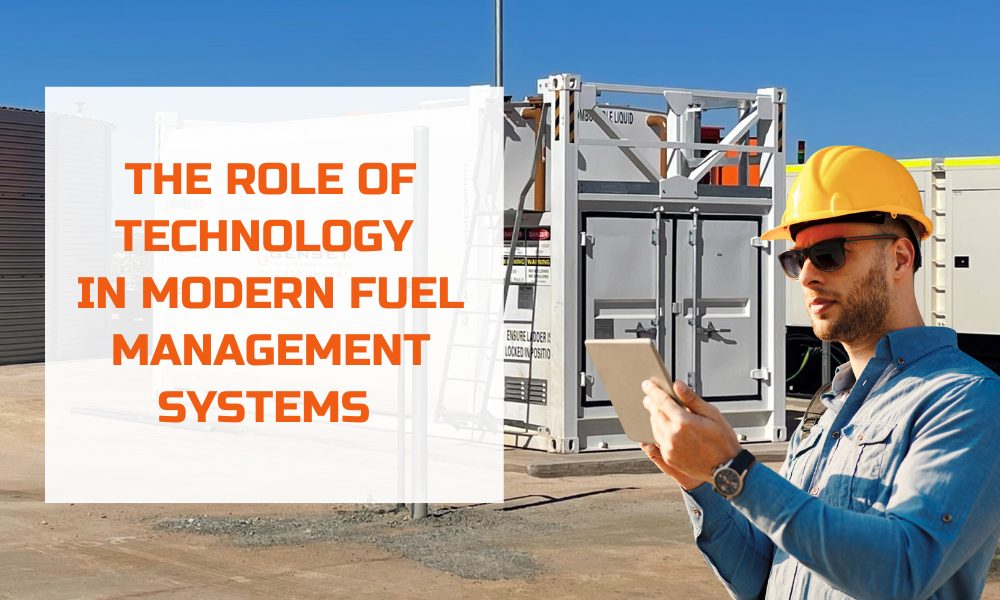
Fuel is one of the biggest operational costs for industries that rely on machinery, transport or generators. Yet for years, fuel usage was often tracked with clipboards, estimates and spreadsheets. That’s no longer good enough. With rising fuel prices, tightening environmental regulations and pressure to reduce waste, businesses now need greater visibility and control.
That’s where fuel management technology comes in. From real-time tracking to automated reporting and remote monitoring, technology in fuel management has transformed how businesses handle fuel. It’s not just about measuring what goes in and out of a tank. It’s about understanding how fuel is used across entire operations.
In Perth and across WA, industries from mining and agriculture to logistics and construction are turning to smarter fuel management systems to cut costs, improve accuracy and operate more sustainably.
Why traditional methods fall short
Manually tracking fuel usage often leads to errors. Handwritten logs, delayed data entry and missing information make it hard to get a clear picture of what’s really going on. These methods can also open the door to fuel theft, leakage or poor accountability.
Without proper systems in place, businesses struggle to answer basic questions. How much fuel was used last month? Which asset consumes the most? Are there any trends that suggest inefficiency or waste?
Fuel management technology fills that gap. It takes the guesswork out of fuel usage and turns it into data you can use.
What a modern fuel management system includes
Today’s fuel management systems go far beyond simple meters and gauges. They’re often fully integrated setups that combine hardware, software and cloud-based platforms. Some of the common features include:
- Automated dispensing systems: These control when and how fuel is accessed, often requiring PIN codes, swipe cards or vehicle recognition.
- Real-time monitoring: Sensors installed on tanks or vehicles send live data on fuel levels, flow rates and usage patterns.
- Telematics integration: When combined with GPS tracking, fuel data can be linked to location and movement, giving more context to how fuel is consumed.
- Cloud-based dashboards: Managers can access data from anywhere, compare usage across sites and generate custom reports in minutes.
- Alerts and diagnostics: The system can flag sudden drops in fuel, unusual usage or potential leaks before they become bigger issues.
This level of visibility allows for better decision-making, fewer mistakes and stronger fuel efficiency solutions across the board.
Fuel efficiency through better insight
The value of fuel management technology isn’t just in how it monitors fuel. It’s in what that monitoring enables. With accurate data, businesses can start to identify inefficiencies they didn’t even know were there.
Let’s use the following scenario as an example. You might find that one machine uses 20% more fuel than another doing the same job. Or that certain vehicles idle too long, wasting litres every day. Or that some staff refuel more often than necessary, increasing delivery costs.
With a fuel management system in place, this kind of insight becomes routine. It helps teams plan maintenance, optimise routes, reduce idle time and manage fuel delivery more effectively.
Security and accountability
Fuel loss can be costly, and not all losses are accidental. In some sectors, fuel theft is a real concern. Whether it’s unauthorised use, false logging or siphoning, a lack of controls makes it difficult to detect and even harder to prevent.
Technology in fuel management helps solve this by tracking who accessed fuel, when, and how much they took. Systems can be configured so only approved users and vehicles have access. Time restrictions can be applied, and usage patterns can be reviewed for suspicious activity.
Compliance and reporting made easier
For businesses in mining, transport or heavy industry, compliance with fuel reporting standards is often a requirement. Environmental impact reporting, tax claims and internal audits all demand accurate fuel data.
Trying to gather this information manually is not only time-consuming but prone to error. A digital fuel management system makes it easier to meet these obligations by storing and sorting the data automatically.
Reports can be scheduled, exported and shared with stakeholders in minutes. This reduces the admin burden and gives more confidence in the accuracy of the information being shared.
Scalability and adaptability
One of the advantages of modern fuel management systems is that they can scale with the business. A small operation might start with a basic tank monitoring setup. As the business grows, the system can be expanded to include vehicle tracking, multi-site reporting or more advanced analytics.
Fuel management Perth-based providers often offer modular systems, meaning you don’t have to overhaul your entire setup at once. You can start with what’s essential and build over time as your needs evolve.
This flexibility is particularly useful in industries where operations shift, such as temporary construction sites or mobile plant hire.
Fuel management in Perth: a local need
WA’s unique geography and industry mix means fuel use is spread across wide distances and varied environments. Whether it’s a remote mine site near Kalgoorlie or a logistics hub in Perth’s southern suburbs, the challenges are the same: keep fuel secure, minimise waste, and ensure supply never runs dry.
Local businesses are increasingly looking for smarter, site-specific fuel management solutions. Providers in Perth are responding with rugged, Australian-built systems designed for our conditions. These include weatherproof tanks, remote communications technology, and support from technicians who understand the local landscape.
With fuel costs high and environmental pressure increasing, investing in the right technology is no longer a luxury. It’s a necessity.
The road ahead
Technology in fuel management will continue to evolve. Expect to see more predictive analytics, mobile-first interfaces, and tighter integration with other systems like maintenance scheduling, HR and fleet management.
Artificial intelligence and machine learning may soon play a bigger role, helping businesses forecast fuel needs based on usage history and external conditions. Even now, automated alerts and smart scheduling are helping teams stay one step ahead.
As expectations grow for cleaner, leaner operations, fuel efficiency solutions will be part of the broader push for sustainability. Every litre saved counts: for budgets and for the environment.
Smarter systems start with the right partner
At GHASA, we understand the importance of reliable, efficient and secure fuel access. Whether you’re managing a single tank or a complex multi-site setup, we can help design and deliver a fuel management system that suits your operation.
We offer installation, maintenance and advice on the latest in fuel management Perth businesses can rely on. If you’re ready to take the guesswork out of fuel and put technology to work, it’s time to talk to the team that builds solutions tough enough for WA.
Call (08) 9359 1988 and ask us how we can support your fuel efficiency goals.