
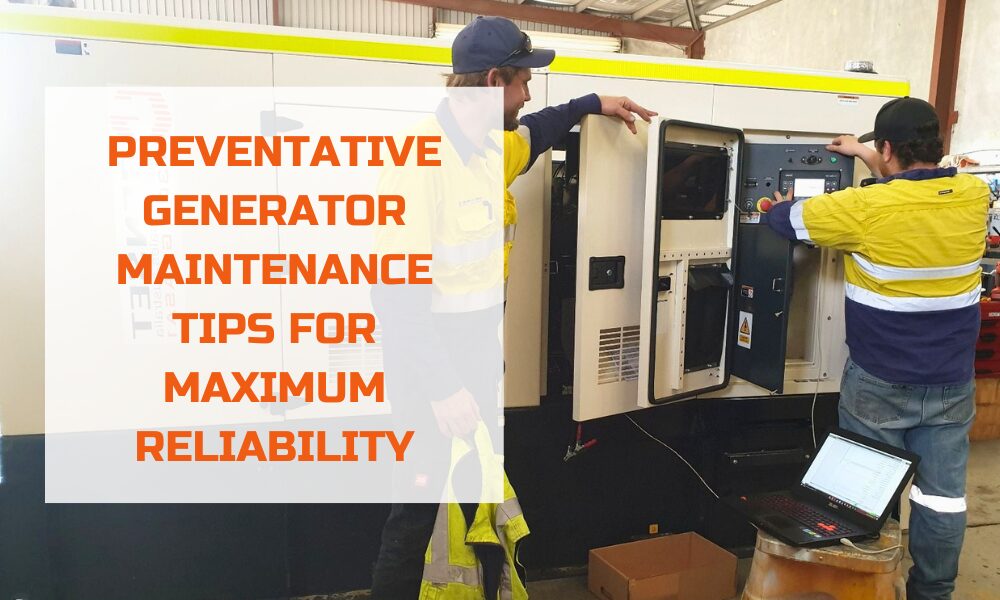
A generator only earns its keep when it starts on the first try and holds its load without missing a beat. Whether it’s your primary power source on a remote site or the backup that keeps a business running through an outage, reliability comes down to one thing: consistent, preventative maintenance. Waiting for a breakdown is the most expensive way to run any machine. With a sensible servicing routine, you can extend engine life, avoid unexpected failures, and get maximum value from your investment. If you rely on Generators Perth operators trust for critical power, here’s how to keep them in peak condition.
Why preventative maintenance matters
Reactive repairs cost more than planned upkeep, and they always seem to strike at the worst possible moment. Preventative maintenance flips the equation. By catching worn components, low fluids, and early warning signs before they escalate, you avoid the downtime, emergency callouts, and safety risks that come with a sudden failure. A well-maintained set also runs more efficiently, burns less fuel, and holds its resale value. For any operation that depends on continuous power, scheduled servicing isn’t an optional extra — it’s essential insurance.
Follow a scheduled servicing routine
The foundation of reliability is a maintenance schedule based on running hours and the manufacturer’s recommendations. Most diesel generators need a minor service every 250 to 500 hours and a major service annually or at set hour intervals, whichever comes first. Keep a logbook of every service, fault, and repair so you can spot patterns and plan ahead. Booking professional Generator Servicing Perth technicians ensures the work is done to standard and any developing issues are flagged early.
Check oil and filters regularly
Engine oil is the lifeblood of your generator. Check the level before each extended run and change the oil and oil filter at the intervals specified for your model. Dirty oil accelerates wear and can lead to catastrophic engine damage. At the same time, inspect and replace the air and fuel filters. Clogged filters choke the engine, reduce efficiency, and, in dusty conditions common across Western Australia, they clog far faster than the manual suggests.
Look after the fuel system
Diesel doesn’t last forever. Stored fuel can degrade, attract moisture, and grow contaminants that block filters and injectors. Keep tanks topped up to reduce condensation, use a fuel stabiliser for long-term storage, and drain any water traps. If your set sits idle for months, arrange fuel polishing to keep it clean and ready. A healthy fuel system is one of the biggest factors in reliable starting.
Test the battery and cooling system
A flat battery is one of the most common reasons a standby generator fails to start. Check terminals for corrosion, keep connections tight, and test the charge regularly, replacing batteries every few years before they let you down. Just as important is the cooling system: inspect coolant levels, hoses, and the radiator, and clear away dust and debris. Overheating is a fast path to serious engine damage, especially during a Perth summer.
Run it under load
Generators dislike sitting idle. Running a diesel set with little or no load causes “wet stacking”, where unburnt fuel and carbon build up in the exhaust and reduce performance over time. Exercise standby units regularly under a genuine load, or use a load bank to simulate real demand. This keeps internal components healthy and confirms the set will perform when you actually need it.
Keep it clean and inspect connections
Dust, oil, and grime hide leaks and loose fittings. Wipe the unit down periodically and inspect belts, hoses, wiring, and control panels for wear, cracks, or corrosion. Tighten electrical connections and look for any signs of oil or coolant leaks. A quick visual check takes minutes and often catches small problems before they become expensive ones.
Partner with the professionals
Some checks you can handle in-house, but a qualified technician brings the tools, testing equipment, and expertise to service your generator thoroughly and safely. A local team offering scheduled servicing, load testing, and 24/7 support means help is never far away when you need it most.
The bottom line
Reliable power is the product of routine, not luck. Stick to a servicing schedule, watch your oil, fuel, battery, and cooling systems, and run the set under load to keep it healthy. Do that consistently, and your generator will start when you need it and run for years to come.
For dependable servicing and support, the team at GHASA can help you set up a maintenance plan tailored to your equipment and site.
Frequently Asked Questions
- How often should I service my diesel generator?
Most diesel generators need a minor service every 250–500 running hours and a major service annually or at the manufacturer’s set interval. Sites in dusty or heavy-use conditions may need servicing more often. A logbook helps you track hours and stay on schedule. - What does preventative generator maintenance include?
It typically covers oil and filter changes, fuel system checks, battery testing, cooling system inspection, load testing, and a full visual inspection of belts, hoses, and connections. Booking Generator Servicing Perth professionals ensure each step is completed to standard. - Why won’t my generator start when I need it?
The most common culprits are a flat or corroded battery, stale or contaminated fuel, and clogged filters. Regular testing and preventative maintenance prevent nearly all of these no-start issues before they leave you without power. - What is wet stacking and how do I prevent it?
Wet stacking is a build-up of unburnt fuel and carbon in the exhaust caused by running a diesel generator under low load for too long. Prevent it by exercising the set under a genuine load or using a load bank to simulate real demand. - Can I service my generator myself, or should I hire a professional?
Basic checks like oil levels, battery terminals, and visual inspections can be done in-house. However, full servicing, load testing, and electrical work should be carried out by qualified technicians to ensure safety, compliance, and reliable performance from your Generators Perth equipment.