
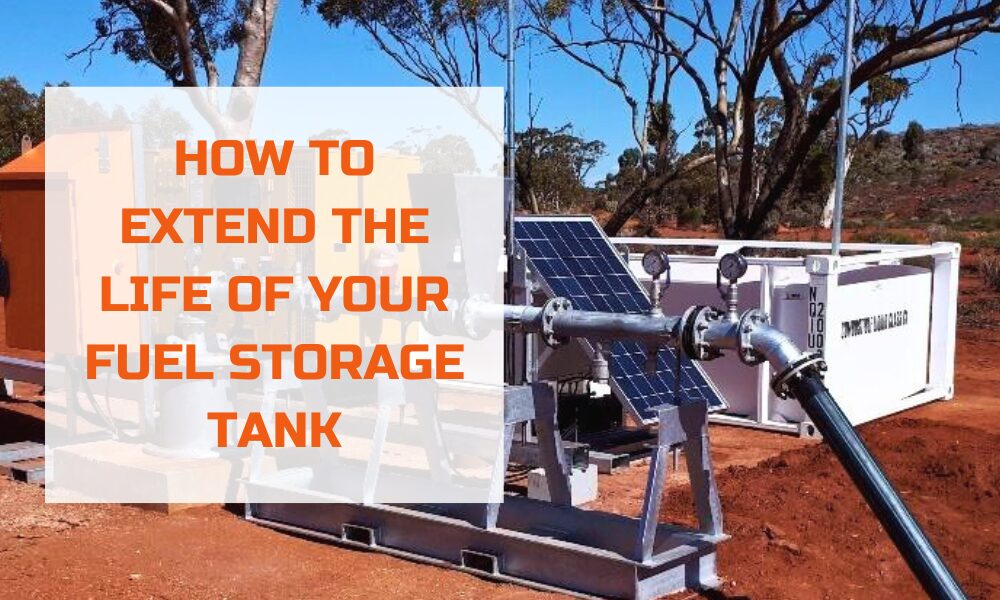
A quality fuel storage tank is a serious investment, and like any hard-working piece of equipment, it lasts far longer when it’s looked after. On remote sites, mining operations and commercial yards across Western Australia, tanks are exposed to heat, dust, moisture and constant use. Neglect them, and you risk corrosion, contamination, leaks, and expensive early replacement. Look after them, and a well-built Fuel Storage Tank can safely serve your operation for decades. Here’s how to protect that investment and get the maximum working life from every litre of capacity.
Start with the right tank for the job
Longevity begins before installation. Choosing a tank suited to your fuel type, volume, and environment prevents most problems down the track. Self-bunded tanks, for example, feature a double-walled design that guards against leaks and spills while protecting the inner tank from the elements. Matching the material, capacity and configuration to your application- diesel, AdBlue, aviation fuel or waste oil— means the tank is fit for purpose from day one and far less likely to fail prematurely.
Site it correctly and keep it stable
Where and how you install your tank has a big impact on its lifespan. Place it on a level, stable, load-rated base so the structure isn’t stressed by uneven ground or subsidence. Allow clear access for refuelling, inspection and maintenance, and keep it away from unnecessary traffic that could cause impact damage. Proper siting also supports drainage, so water doesn’t pool around the base and accelerate corrosion where the tank meets the ground.
Guard against corrosion
Corrosion is the number one enemy of any steel Fuel Storage Tank. Inspect the exterior regularly for scratches, chips, and rust spots, and touch up protective coatings before small blemishes spread. In coastal and humid areas, salt-laden air speeds up corrosion, so more frequent checks pay off. Keep the surface clean, clear away debris and vegetation, and ensure any protective paint or galvanising stays intact. Catching surface damage early is far cheaper than dealing with structural failure later.
Keep water and contaminants out
Water is diesel’s worst companion. Condensation forms inside partially filled tanks as temperatures swing between day and night, and that moisture encourages microbial growth, sludge, and internal corrosion. Keep tanks topped up where practical to reduce the air space, check and drain water traps, and use quality seals and caps to stop rain and dust getting in. Fitting and maintaining filters and breathers helps keep the contents clean and the tank’s internals in good condition.
Manage fuel quality and turnover
Fuel that sits for long periods degrades, and degraded fuel damages both your equipment and your tank. Rotate stock so older fuel is used first, and for long-term storage, consider a fuel stabiliser or periodic fuel polishing to remove water and contaminants. Regular testing gives you early warning of microbial growth or water ingress. Good fuel hygiene protects the tank interior and everything the fuel eventually flows into.
Inspect, service, and keep records
A simple, consistent inspection routine catches problems while they’re small. Check fittings, valves, hoses, gauges, and seals for wear or leaks, look over the bund for any collected liquid, and confirm safety features are working. Keep a maintenance log of every inspection and repair so you can track the tank’s condition over time and plan servicing ahead of need. Scheduling professional inspections adds expert eyes and helps keep you compliant with Australian Standards.
Stay compliant and safe
Beyond extending tank life, proper upkeep keeps your site safe and compliant. Fuel storage in Australia is governed by standards covering bunding, spill containment, signage and environmental protection. A well-maintained tank with intact bunding and clear labelling reduces the risk of spills, fines and environmental harm, and a tank that’s cared for to standard simply lasts longer and performs more reliably.
The bottom line
Extending the life of your fuel storage tank comes down to the fundamentals: choose the right tank, install it properly, keep corrosion and water at bay, maintain good fuel hygiene and inspect it regularly. None of it is complicated, but done consistently, it can add years of safe, reliable service and save you the cost and disruption of an early replacement.
If you’re looking for durable, compliant fuel storage or expert advice on maintaining what you already have, the team at GHASA can help you choose, supply, and service the right Fuel Storage Tank for your site.
Frequently Asked Questions
- How long does a fuel storage tank last?
With proper maintenance, a quality steel or self-bunded Fuel Storage Tank can last 20 years or more. Lifespan depends on the material, environment, fuel type, and how well the tank is protected from corrosion, water, and physical damage. - What is the main cause of fuel tank failure?
Corrosion is the leading cause, usually driven by water ingress, condensation, and damaged protective coatings. Keeping water out, maintaining coatings, and inspecting regularly prevent the vast majority of premature tank failures. - How often should I inspect my fuel storage tank?
Carry out a visual check monthly and a more thorough inspection quarterly, with a professional inspection at least annually. Sites in coastal, humid, or high-use conditions should be inspected more frequently to catch corrosion and leaks early. - Why is water a problem in diesel storage tanks?
Water promotes microbial growth, sludge, and internal corrosion, and it damages engines and injectors when the fuel is used. Keeping tanks topped up, draining water traps, and using good seals and filters helps keep moisture out. - What are the benefits of a self-bunded fuel storage tank?
A self-bunded tank has a double-walled design that contains leaks and spills, protects the inner tank from the elements, and simplifies compliance with Australian bunding standards. This added protection also helps extend the tank’s working life.