
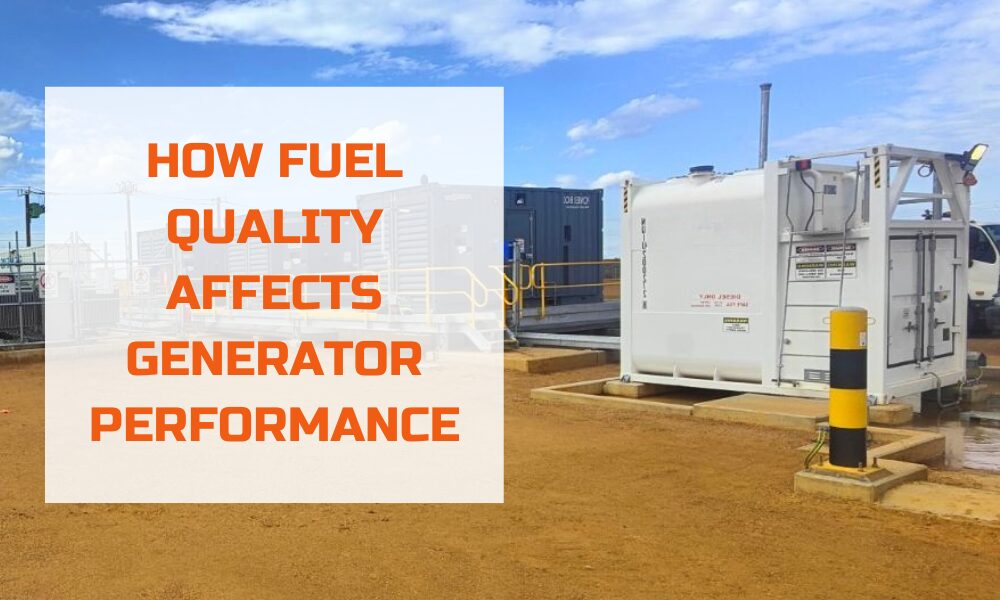
A diesel generator is only as good as the fuel you put in it. You can invest in the best equipment on the market, service it on schedule, and run it well within its rated load, but if the diesel flowing through it is contaminated or degraded, performance will suffer. On sites across Western Australia, from remote mines to backup systems in the city, a reliable, clean Diesel Fuel Supply is one of the most underrated factors in keeping generators running smoothly. Here’s how fuel quality shapes performance and what you can do to protect it.
Clean fuel means reliable power.
Diesel engines are precision machines. Modern common-rail injection systems operate at extremely high pressures and rely on clean, correctly specified fuel to atomise and burn efficiently. When fuel is clean and on-spec, the engine starts easily, runs smoothly, and delivers its rated output hour after hour. Poor-quality fuel, on the other hand, disrupts combustion, reduces power, and forces the engine to work harder for the same result. A dependable Diesel Fuel Supply is the foundation of consistent, trouble-free generator performance.
The hidden costs of contaminated fuel
Contamination is the most common fuel problem, and it takes several forms. Water is the biggest culprit, entering through condensation, faulty seals, or careless handling. It causes corrosion, encourages microbial growth, and can cause injectors to fail. Particulate matter dust, rust, and dirt- clogs filters and scores injector components. Microbial contamination, often called “diesel bug”, forms a sludgy biomass at the fuel-water interface that blocks filters and lines. Each of these robs your generator of performance and, left unchecked, leads to expensive repairs and downtime.
Degraded fuel and long storage
Diesel isn’t designed to sit indefinitely. Over months, it oxidises, forms gums and sediments, and loses combustion quality, particularly in standby generators that run only occasionally. Biodiesel blends degrade faster still and attract more moisture. Fuel that looks fine can be well past its best, and burning it leads to poor starting, rough running, and carbon build-up. For anything held in storage, a fresh, well-managed Diesel Fuel Supply combined with proper stock rotation keeps quality high.
Symptoms of poor fuel quality
Your generator will usually tell you when fuel quality is slipping. Hard starting, rough idling, loss of power under load, excessive black or white smoke, frequent filter blockages, and unexplained shutdowns are all classic warning signs. Injector and fuel pump problems often trace back to contaminated or off-spec diesel rather than the engine itself. Recognising these symptoms early lets you address the fuel before it damages costly components.
Protecting your fuel quality
The good news is that fuel quality is largely within your control. Source diesel from a reputable supplier who can guarantee it meets Australian fuel standards. Keep storage tanks clean, sealed and topped up to limit condensation, and drain water traps regularly. Fit and maintain quality filters and water separators, and consider fuel polishing for tanks that have been sitting, which removes water and contaminants and restores clean, usable diesel. Regular fuel testing gives you an objective picture of what’s actually in your tank.
The role of a reliable supplier
Where your fuel comes from matters as much as how you store it. A trusted Diesel Fuel Supply partner delivers clean, correctly specified diesel, handles it properly during transfer, and can support you with the right storage and filtration set-up for your site. On remote operations especially, dependable delivery and consistent quality mean your generators keep running without the fuel-related surprises that cause downtime. Pairing good fuel with quality tanks and regular servicing is the complete recipe for reliable power.
The bottom line
Fuel quality is not a minor detail; it’s central to how your generator performs and how long it lasts. Contaminated or degraded diesel steals power, clogs filters, damages injectors, and drives up running costs, while clean, fresh, well-stored fuel keeps everything running as it should. Protect your fuel from water and contamination, manage your storage sensibly, and source from a supplier you can trust, and your generators will reward you with reliable performance.
If you want a clean, dependable Diesel Fuel Supply along with the storage and equipment to keep it in top condition, the team at GHASA can help you set up a solution built for your site.
Frequently Asked Questions
- How does fuel quality affect generator performance?
Clean, on-spec diesel burns efficiently and delivers full rated power, while contaminated or degraded fuel disrupts combustion, reduces output, clogs filters, and damages injectors. A reliable Diesel Fuel Supply is essential for consistent, trouble-free generator performance. - What are the signs of poor-quality diesel in a generator?
Common warning signs include hard starting, rough idling, power loss under load, excessive smoke, frequent filter blockages, and unexplained shutdowns. These symptoms often point to water, particulate, or microbial contamination rather than a fault with the engine itself. - How long can diesel be stored before it goes off?
Diesel typically stays usable for around 6–12 months, though this shortens in hot conditions or with biodiesel blends. Proper storage, stock rotation, water management, and fuel polishing can extend usable life and keep stored fuel in good condition. - What is diesel bug and how do I prevent it?
Diesel bug is microbial growth that forms at the fuel-water interface, creating sludge that blocks filters and lines. Prevent it by keeping water out of your tank, maintaining good seals, using biocides where appropriate, and sourcing fuel from a clean Diesel Fuel Supply. - How can I keep my generator fuel clean?
Source from a reputable supplier, keep tanks sealed and topped up, drain water traps, fit and maintain filters and water separators, and use fuel polishing for stored fuel. Regular fuel testing confirms your diesel stays within specification.