
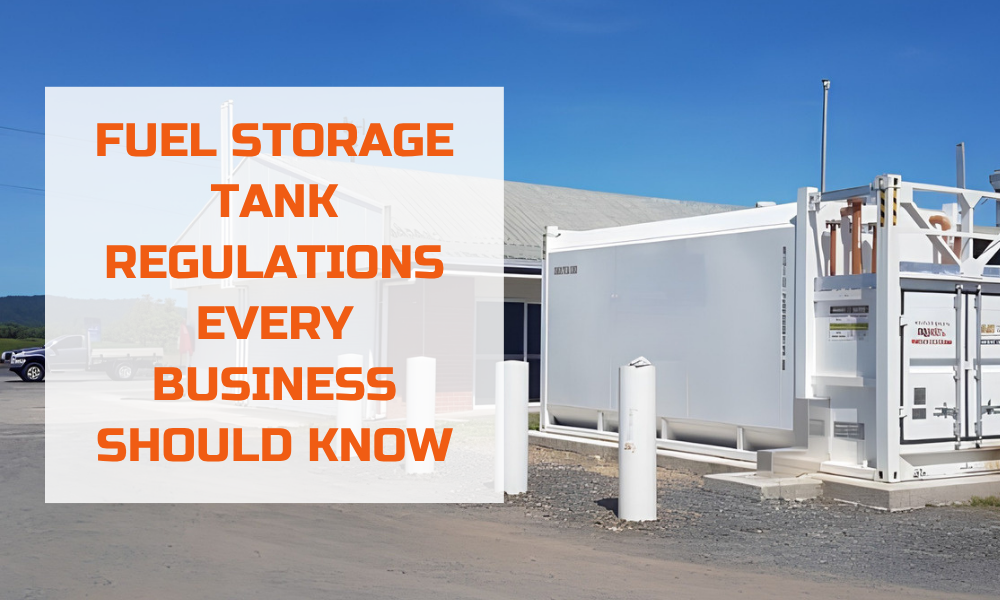
Fuel storage is an important consideration for businesses operating generators, heavy machinery, and industrial equipment. Poorly managed fuel storage can create environmental, safety, and operational risks. Understanding the relevant requirements helps businesses establish safer and more reliable fuel storage systems.
Why Fuel Storage Requires Careful Planning
Diesel and other fuels must be stored appropriately to minimise risks associated with spills, leaks, fire, and environmental contamination.
The correct storage solution depends on factors such as fuel type, quantity, location and how the fuel will be used.
Choosing the Right Tank
Industrial fuel tanks are available in various sizes and configurations. Businesses should select tanks based on operational requirements rather than simply choosing the largest available capacity.
Tank construction, placement, accessibility, and protection should all be considered during planning.
Environmental Protection
Fuel spills can contaminate soil and waterways and may result in significant cleanup requirements. Appropriate containment measures can help reduce the risk of environmental damage.
Businesses should consider bunding or other suitable containment arrangements where required and ensure tanks are inspected for signs of leakage or deterioration.
Fire and Safety Considerations
Fuel storage areas should be planned with fire safety in mind. Appropriate separation, access, signage and emergency procedures may be required depending on the installation.
Workers who handle fuel should also understand safe handling and spill-response procedures.
Inspection and Maintenance
Fuel tanks should not be treated as maintenance-free equipment. Regular inspections can identify corrosion, damaged fittings, leaks, and other developing issues.
Fuel quality should also be managed because contamination or water accumulation can affect generators and other equipment.
Compliance in Western Australia
Businesses operating in Western Australia should ensure their fuel storage arrangements comply with applicable Australian Standards, Western Australian requirements and local authority expectations. Requirements can vary depending on the type and quantity of fuel being stored and the specific site.
Professional advice should be obtained for larger or more complex installations.
Planning for Fuel Demand
Proper fuel planning can improve operational efficiency. Businesses should estimate expected consumption and establish appropriate replenishment schedules.
Large industrial facilities may benefit from centralised fuel tank farms that can support multiple generators or pieces of equipment.
Conclusion
Fuel storage is both a safety and operational consideration. Choosing suitable tanks, providing appropriate containment, conducting regular inspections and understanding applicable requirements can help businesses protect people, equipment and the environment.
FAQs
- Are fuel storage tanks regulated in Australia?
Yes. Fuel storage is subject to various safety, environmental and technical requirements. - Does Western Australia have specific fuel storage requirements?
Yes. Businesses should consider relevant Western Australian legislation, standards and local requirements. - Why is bunding important?
Suitable containment can help limit the spread of fuel if a tank or associated equipment leaks. - Should industrial fuel tanks be inspected?
Yes. Regular inspection can identify leaks, corrosion, damage, and other problems. - Can businesses install large fuel tanks themselves?
Complex industrial installations should be properly designed and installed by appropriately qualified professionals.