
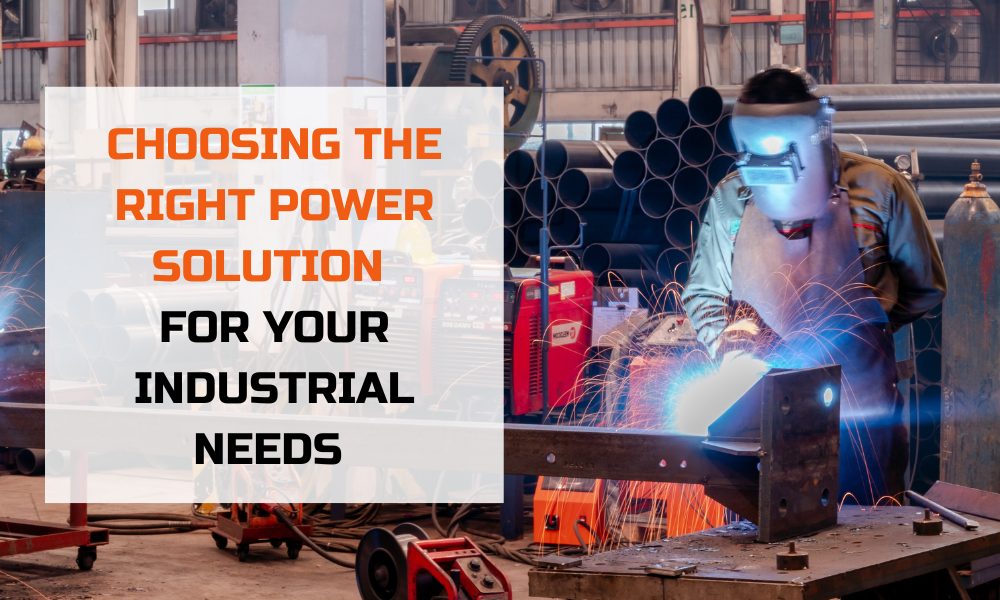
Power isn’t just something industrial sites use. It’s something they rely on. Without it, machinery stops, deadlines slip, safety protocols break down, and operations stall.
Whether you’re managing a remote mining camp, a busy construction site, or a manufacturing facility with round-the-clock demand, power isn’t optional. It’s essential. The challenge? Finding the right setup to match the load, the location, and the risks. That’s where choosing the right industrial power solution comes into play.
But it’s not just a matter of picking the biggest generator available. Different operations have different requirements. And what works well for one project might be entirely wrong for another.
Here’s what to consider when selecting the best power setup for your industrial site.
Power supply needs aren’t all the same
Some sites need consistent, high-capacity power day and night. Others only need temporary energy during certain phases of a job. There are also those that operate in areas where grid access is limited or non-existent. In every case, the goal is the same: a reliable power supply that keeps everything moving.
That might mean standalone generators, fuel-efficient hybrid systems, or backup setups that only kick in when the mains go down. The best solution balances capacity, flexibility, and reliability. But getting to that point requires a clear understanding of a few core factors.
Assessing your site’s load and runtime requirements
First things first: how much power is actually needed?
It sounds obvious, but many operations still rely on estimates or outdated assumptions. Oversizing a generator can waste fuel and increase maintenance costs. Undersizing a generator leads to frequent shutdowns and overloaded systems.
A professional load assessment is the safest way to get it right. This takes into account start-up loads (especially for heavy equipment), peak usage periods, and any future expansions. Runtime expectations also matter, whether you need continuous output, backup only, or support during specific working hours.
Understanding this profile lays the groundwork for selecting an efficient, fit-for-purpose solution.
Grid-connected or off-grid?
Some industrial operations in Perth and regional WA enjoy relatively stable grid power. Others, especially those in mining or remote construction, don’t. That’s where generators become a primary source of energy.
Even on grid-connected sites, backup power systems are often essential. Hospitals, data centres, and logistics facilities, for example, can’t afford any interruption. These businesses rely on automatic switchover capabilities that ensure seamless continuity if the grid fails.
Off-grid setups are more complex. Here, generators need to shoulder the full load, often for long durations and in harsh conditions. Fuel efficiency, cooling systems, and serviceability all become key.
The case for backup power systems
There’s always a temptation to think, “It won’t happen here.” But blackouts, equipment failures, and storm-related outages are still common across WA. And they never arrive at a convenient time.
Backup power systems aren’t just a precaution for high-risk industries. They’re an operational safeguard for anyone who values uptime.
These systems range from portable gensets to permanently installed diesel units with automated controls. The right system will monitor your primary power source, start instantly when it senses a failure, and shut off once grid power is restored.
For critical environments like medical storage, IT infrastructure, or automated production, this kind of reliability is non-negotiable.
Fuel type and sourcing
Diesel is still the go-to for many industrial power solutions. It’s widely available, energy-dense, and works well in high-demand environments. But hybrid systems that pair diesel with solar or battery storage are gaining ground, especially for companies looking to reduce emissions and fuel costs.
In some cases, multiple fuel types might be in play. Larger operations may install separate generators optimised for different stages or tasks. In any scenario, local fuel sourcing and delivery logistics matter, especially if the site is remote.
Working with a Perth-based supplier, like GHASA, who understands regional conditions can make all the difference.
Maintenance and servicing considerations
Every power solution needs upkeep. Generators left too long without inspection often fail when they’re needed most. For long-term installations, access to local servicing teams is crucial. It means shorter response times, fewer delays, and better lifecycle outcomes.
That’s one reason so many WA businesses prefer sourcing generators in Perth from providers who also offer servicing and technical support. Onsite expertise and spare parts access keep systems running smoothly over time.
Maintenance isn’t just about avoiding breakdowns. It’s about preserving performance, safety, and compliance. Especially on industrial sites, where downtime carries a serious price tag.
Environmental and compliance factors
Industrial power setups often need to meet environmental standards, particularly around emissions, fuel handling, and noise output. Spill containment for fuel tanks, ventilation for indoor installations, and noise reduction measures may all be required depending on location and use.
Choosing compliant equipment and installing it to meet regulatory guidelines helps avoid costly remediation or retrofitting. It also positions your operation to meet growing expectations around sustainable and responsible site management.
Tailoring your power setup to your industry
No two industries have the same priorities. Mining operations may prioritise durability and fuel autonomy. Construction crews need mobility and fast deployment. Agricultural businesses want simplicity and efficiency across multiple sites.
The best suppliers don’t just sell equipment. They help customise industrial power solutions to match your specific needs, factoring in job type, terrain, scale, and long-term goals.
So, if your project is short-term and mobile, a rental solution might be better. For longer, fixed installations, a permanent setup with built-in redundancy may be the smarter choice.
Talk to GHASA for industrial power done right
Choosing the right system isn’t just about today’s needs. It’s about ensuring the power setup can adapt, expand, and stay reliable across the life of the project.
GHASA has been supplying generators in Perth and throughout WA for over 40 years. Whether you need a backup system for a hospital, a primary generator for an isolated mine site, or something in between, GHASA provides fully serviced, site-ready solutions.
From reliable power supply assessments to complete installation and maintenance packages, GHASA makes it easier to power your operations with confidence.
Contact us on (08) 9359 1988 to speak with our team today. Whatever your industry, we build stuff tuff, and power solutions for your business are no exception.